Home>Gear & Reviews>Shoes>Running Shoes: The Ultimate Guide To Finding The Perfect Pair
Shoes
Running Shoes: The Ultimate Guide To Finding The Perfect Pair
Published: February 9, 2024
Discover the best running shoes for your needs with our comprehensive guide. Find the perfect pair to enhance your performance and comfort.
(Many of the links in this article redirect to a specific reviewed product. Your purchase of these products through affiliate links helps to generate commission for Therunningadvisor.com, at no extra cost. Learn more)
Table of Contents
Introduction
When it comes to running, having the right pair of shoes can make all the difference. Whether you're a seasoned marathon runner or just starting out on your fitness journey, finding the perfect running shoes is crucial for both performance and injury prevention. With a myriad of options available in the market, it's easy to feel overwhelmed. However, fear not, as this comprehensive guide will equip you with the knowledge needed to make an informed decision and find the ideal pair of running shoes tailored to your unique needs.
Running shoes are not just a fashion statement; they are a vital piece of equipment that can significantly impact your running experience. The right pair of shoes can provide the necessary support, cushioning, and stability to enhance your performance and protect your feet from the repetitive impact of running. On the other hand, ill-fitting or unsuitable shoes can lead to discomfort, pain, and even injury.
In this guide, we will delve into the intricacies of choosing the perfect running shoes, covering everything from understanding your foot type and running style to the key features to look for in a pair of running shoes. We will also explore the different types of running shoes available, providing insights into their specific purposes and benefits. Additionally, we will discuss the importance of proper fit and provide valuable tips for trying on and testing running shoes to ensure they meet your requirements.
Furthermore, we will address the essential aspects of maintaining and caring for your running shoes, prolonging their lifespan and preserving their performance-enhancing qualities. By the end of this guide, you will be well-equipped to navigate the world of running shoes with confidence, armed with the knowledge to make informed decisions and find the perfect pair that complements your running endeavors.
So, lace up your shoes and get ready to embark on a journey to discover the ultimate guide to finding the perfect pair of running shoes.
Understanding Your Foot Type
Understanding your foot type is the foundational step in the quest for the perfect running shoes. Each person has a unique foot structure, and recognizing the characteristics of your feet is essential in determining the most suitable type of running shoe for you. There are three primary foot types: neutral, overpronated, and underpronated (supinated).
-
Neutral Foot Type: Individuals with a neutral foot type have a well-balanced foot structure, with the arch neither too high nor too low. When standing, their footprint shows a distinct curve along the inside, with a noticeable but not exaggerated curve. For those with a neutral foot type, stability shoes with moderate cushioning are often recommended to provide support and absorb shock during running.
-
Overpronated Foot Type: Overpronation occurs when the foot rolls inward excessively during the gait cycle. This can lead to an uneven distribution of weight and impact, potentially causing strain on the feet and lower limbs. Overpronators typically have low arches, and their footprint may show a significant inward curve. Motion control shoes with firm support and structured cushioning are designed to counteract overpronation and provide stability.
-
Underpronated (Supinated) Foot Type: Underpronation, also known as supination, involves an outward rolling of the foot during the gait cycle. This foot type is characterized by a high arch, and the footprint may display a minimal inward curve or even no curve at all. Cushioned and flexible shoes with ample shock absorption are recommended for individuals with underpronated feet to help mitigate the impact and provide support.
To determine your foot type, a simple wet test can be conducted. Wet the sole of your foot and step onto a surface that will show the imprint of your foot, such as a piece of paper or cardboard. By examining the shape of the imprint, you can gain insight into your foot arch and pronation tendencies.
Understanding your foot type is the first step in the journey to finding the perfect running shoes. By identifying the specific needs of your feet, you can narrow down the options and select shoes that cater to your unique biomechanics, providing the support and comfort necessary for an enjoyable and injury-free running experience.
Choosing the Right Shoe for Your Running Style
When it comes to choosing the right running shoes, understanding your running style is paramount. Different running styles and preferences require specific features and characteristics in a shoe to optimize performance and minimize the risk of injury. Whether you are a long-distance runner, a sprinter, a trail runner, or someone who enjoys a casual jog, selecting the appropriate shoe for your running style can make a significant difference in your overall experience.
Long-Distance Running:
For individuals who engage in long-distance running, durability and cushioning are crucial factors to consider. Long-distance runners often benefit from shoes with ample cushioning to absorb the impact of each stride, providing comfort and support over extended periods. Look for shoes with responsive midsoles and sufficient padding to reduce fatigue and minimize the risk of discomfort or injury during prolonged runs.
Sprinting and Speed Work:
Sprinters and those focused on speed work require shoes that prioritize responsiveness and lightweight construction. Shoes designed for sprinting are typically lighter and more flexible, allowing for quick and powerful movements. Look for models with minimal cushioning and a snug fit to enhance agility and speed, enabling efficient energy transfer with each stride.
Trail Running:
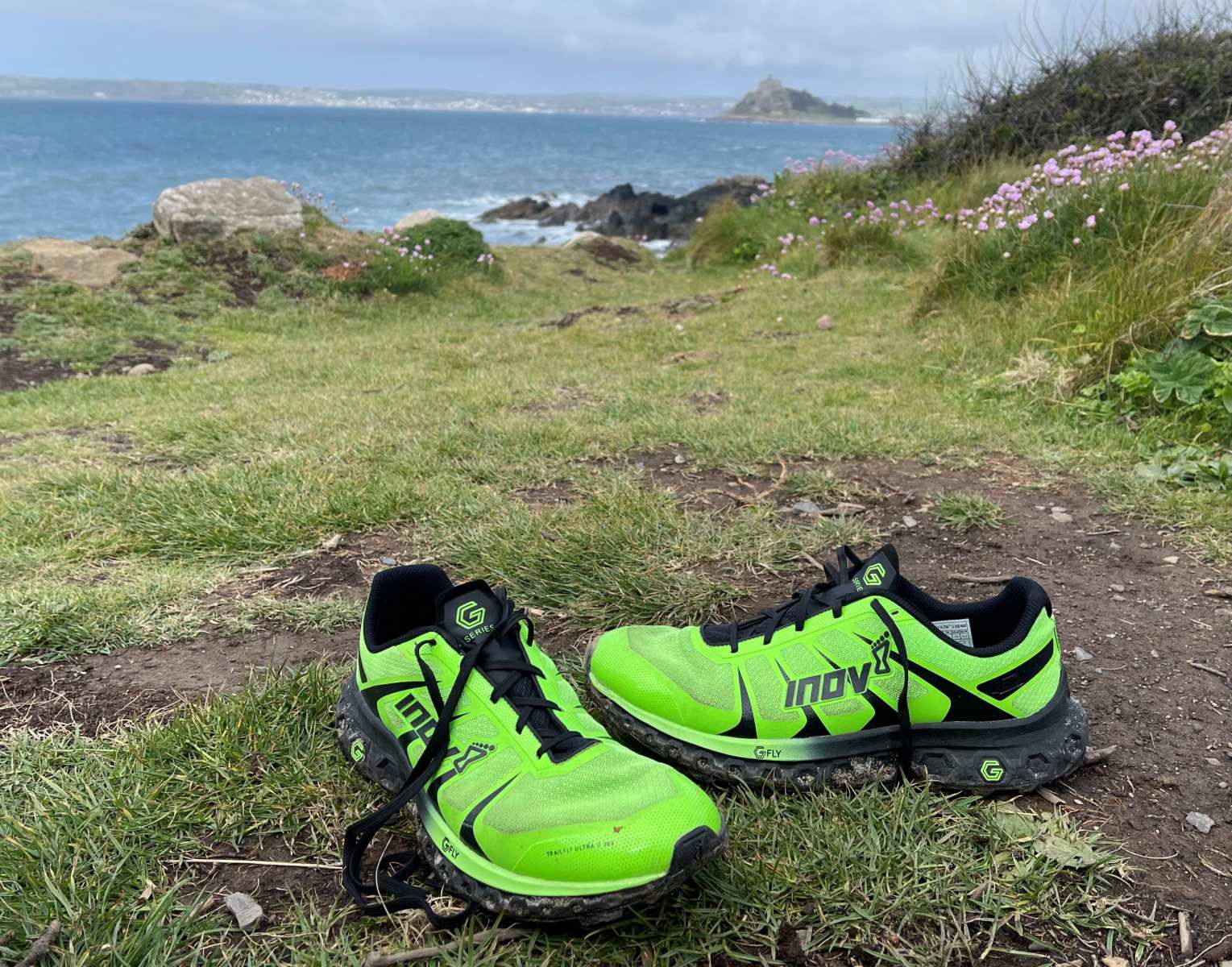
Trail running demands shoes with enhanced traction, stability, and protection. The rugged and unpredictable terrain encountered during trail running necessitates shoes with aggressive outsoles, durable uppers, and added protection against rocks and debris. Look for trail running shoes with a sturdy and lugged outsole to provide superior grip on uneven surfaces, as well as reinforced toe caps and supportive overlays for added durability and security.
Casual Jogging and Everyday Wear:
For casual joggers and individuals seeking comfortable shoes for everyday wear, versatility and all-around comfort are key. Shoes designed for casual running should offer a balance of cushioning, support, and flexibility. Look for models with a neutral design and moderate cushioning to accommodate various activities, from light jogging to running errands, without compromising on comfort or style.
By aligning the features of your running shoes with your specific running style, you can optimize your performance and minimize the risk of discomfort or injury. Understanding the demands of your running activities and selecting shoes tailored to your individual needs will enhance your overall running experience, allowing you to fully enjoy the benefits of this invigorating and rewarding form of exercise.
The Importance of Proper Fit
The significance of proper fit in running shoes cannot be overstated. A well-fitting pair of running shoes is essential for optimizing performance, preventing injuries, and ensuring overall comfort during physical activity. The right fit encompasses various factors, including size, width, and overall feel, all of which directly impact the running experience.
First and foremost, the correct shoe size is fundamental. Ill-fitting shoes, whether too small or too large, can lead to a myriad of issues, including blisters, black toenails, and discomfort. When selecting running shoes, it's crucial to ensure that there is adequate space in the toe box to prevent constriction and allow for natural toe splay. At the same time, the heel should be snug without causing any rubbing or slippage, providing stability and preventing potential injuries such as heel blisters or Achilles tendon strain.
Furthermore, the width of the shoe plays a pivotal role in achieving a proper fit. Feet come in various widths, and it's imperative to choose shoes that accommodate the specific width of your feet. A shoe that is too narrow can lead to discomfort and potential issues such as bunions or pinched nerves, while a shoe that is too wide may result in instability and reduced support during running.
The overall feel of the shoe is equally important. A well-fitting running shoe should provide a comfortable and secure sensation, with no areas of pressure or irritation. It should conform to the natural contours of the foot, offering support and stability without causing any undue strain or discomfort.
Proper fit is not only about physical comfort but also about performance. A well-fitting shoe allows for optimal energy transfer, enabling efficient propulsion and minimizing the risk of slippage or instability during running. It also promotes proper biomechanics, reducing the likelihood of overpronation or underpronation, which can lead to strain on the feet and lower limbs.
In essence, the importance of proper fit in running shoes extends beyond mere comfort; it is a critical factor in enhancing performance, preventing injuries, and promoting overall well-being. By prioritizing proper fit when selecting running shoes, individuals can embark on their running endeavors with confidence, knowing that their footwear is tailored to provide the necessary support, comfort, and performance-enhancing qualities.
Different Types of Running Shoes
Running shoes are not one-size-fits-all; they are designed to cater to the diverse needs and preferences of runners based on various factors such as running style, terrain, and foot biomechanics. Understanding the different types of running shoes available in the market empowers individuals to make informed decisions and select the most suitable option for their specific requirements.
-
Neutral Cushioned Shoes: These shoes are tailored for runners with a neutral foot type and a consistent gait. They offer balanced cushioning and support without any significant stability or motion control features. Neutral cushioned shoes are ideal for individuals who do not overpronate or underpronate and seek a well-cushioned and responsive ride.
-
Stability Shoes: Designed to address mild to moderate overpronation, stability shoes incorporate features to provide support and control excessive inward rolling of the foot. They often feature a denser material on the inner edge of the midsole to counteract overpronation and promote a more aligned stride. Runners with low to normal arches and mild overpronation can benefit from stability shoes.
-
Motion Control Shoes: These shoes are engineered to address severe overpronation and provide maximum support and stability. With reinforced medial support and firm cushioning, motion control shoes aim to minimize excessive foot movement and maintain proper alignment during the gait cycle. They are suitable for individuals with flat feet and significant overpronation tendencies.
-
Minimalist Shoes: Emphasizing a lightweight and natural running experience, minimalist shoes feature minimal cushioning and a low-profile design. They encourage a more natural foot strike and heightened sensory feedback from the ground. Minimalist shoes are favored by runners seeking a barefoot-like sensation and aiming to strengthen their foot and lower leg muscles.
-
Maximalist Shoes: In contrast to minimalist shoes, maximalist shoes prioritize maximum cushioning and shock absorption. They feature thick midsoles with ample cushioning to provide a plush and protective ride, particularly beneficial for runners seeking enhanced comfort and impact reduction during long-distance runs or on challenging terrains.
-
Trail Running Shoes: Tailored for off-road adventures, trail running shoes are equipped with aggressive outsoles featuring deep lugs for superior traction on uneven and rugged surfaces. They often incorporate protective features such as rock plates and reinforced uppers to shield the feet from trail hazards. Trail running shoes are designed to withstand the demands of unpredictable terrains and provide stability and protection for the wearer.
Understanding the distinctions among these types of running shoes empowers individuals to make informed choices aligned with their specific running needs, foot biomechanics, and performance objectives. By selecting the most suitable type of running shoe, runners can optimize their comfort, performance, and overall running experience, ensuring that their footwear complements and supports their individual running endeavors.
Key Features to Look for in Running Shoes
When searching for the perfect pair of running shoes, several key features should be taken into consideration to ensure optimal performance, comfort, and injury prevention. These features encompass various aspects of shoe design and functionality, catering to the specific needs and preferences of runners across different disciplines and foot biomechanics.
Cushioning and Support
Ample cushioning is essential to absorb the impact of each stride and provide a comfortable and supportive ride. The level of cushioning can vary based on individual preferences and running styles, ranging from minimal cushioning in minimalist shoes to maximal cushioning in shoes designed for long-distance running. Additionally, adequate arch support and midsole stability contribute to maintaining proper foot alignment and reducing the risk of overpronation or underpronation.
Breathability and Lightweight Construction
Running shoes should offer breathability to keep the feet cool and dry during physical activity. Breathable uppers, often crafted from mesh or lightweight materials, facilitate air circulation and moisture management, preventing discomfort and potential issues such as blisters or hot spots. Furthermore, a lightweight construction minimizes unnecessary weight, promoting agility and reducing fatigue during runs.
Flexibility and Natural Movement
The flexibility of running shoes plays a crucial role in facilitating natural foot movement and promoting a more efficient running stride. Shoes with a flexible sole and forefoot allow for a more natural toe-off and propulsion, enhancing the runner's overall performance and reducing the risk of strain or discomfort. Flex grooves and articulated midsole designs contribute to the overall flexibility of the shoe, accommodating the foot's natural range of motion.
Read more: The Ultimate Guide To Fell Running
Traction and Outsole Durability
For trail runners and those navigating varied terrains, a durable and grippy outsole is paramount. Deep lugs and aggressive tread patterns provide superior traction on trails, ensuring stability and confidence on uneven surfaces. Additionally, outsole materials with high abrasion resistance enhance the longevity of the shoes, withstanding the rigors of trail running and maintaining traction over time.
Fit and Comfort
A proper fit is fundamental to the overall comfort and performance of running shoes. The toe box should allow for natural toe splay, preventing constriction and discomfort, while the heel counter should provide a secure and stable fit without causing slippage or rubbing. Additionally, a comfortable and padded collar, along with a well-cushioned insole, contributes to the overall comfort and support of the shoe.
Reflective Elements and Visibility
For runners who train in low-light conditions or during early morning or evening hours, reflective elements on the shoes enhance visibility and safety. Reflective overlays and details increase the runner's visibility to motorists and other pedestrians, reducing the risk of accidents and ensuring a safer running experience in low-light environments.
By prioritizing these key features when selecting running shoes, individuals can make informed choices that align with their specific running needs, foot biomechanics, and performance objectives. Each feature contributes to the overall functionality and suitability of the shoes, ensuring that they provide the necessary support, comfort, and performance-enhancing qualities for an enjoyable and injury-free running experience.
Tips for Trying on and Testing Running Shoes
Trying on and testing running shoes is a crucial step in the process of finding the perfect pair that aligns with your unique foot characteristics and running preferences. By following these tips, you can ensure that the shoes you choose provide the necessary support, comfort, and performance-enhancing qualities for an enjoyable and injury-free running experience.
1. Shop in the Afternoon or Evening
Feet tend to swell throughout the day, especially during physical activity. Shopping for running shoes in the afternoon or evening ensures that you select a size that accommodates the natural expansion of your feet, mimicking the conditions experienced during running.
2. Bring Your Own Socks
When trying on running shoes, it's advisable to bring along the socks you typically wear during running. This allows you to assess the fit and feel of the shoes with the specific sock thickness and material you prefer, ensuring a more accurate representation of your running experience.
3. Test Multiple Sizes
It's essential to try on running shoes in multiple sizes to identify the best fit. Sizes can vary between different shoe models and brands, and individuals may find that they require a slightly different size than their standard footwear. Testing various sizes enables you to pinpoint the most comfortable and suitable option for your feet.
4. Consider Orthotic Compatibility
If you use orthotic insoles or custom inserts, bring them along when trying on running shoes. This allows you to assess the compatibility of the shoes with your orthotic devices, ensuring that the combination provides the necessary support and comfort for your unique foot biomechanics.
5. Walk and Jog in the Store
Take the time to walk and jog around the store in the prospective running shoes. Pay attention to how the shoes feel during each movement, assessing the level of cushioning, support, and overall comfort. This hands-on testing provides valuable insights into the performance of the shoes in a simulated running environment.
6. Check for Proper Toe Room
Ensure that there is adequate space in the toe box to prevent constriction and allow for natural toe splay. The toes should have room to move without feeling cramped, reducing the risk of discomfort and potential issues such as black toenails or blisters during running.
7. Assess Heel Stability
Evaluate the stability of the heel counter by performing quick direction changes and lateral movements. The heel should remain secure and stable, without excessive slippage or rubbing, to prevent potential injuries such as heel blisters or Achilles tendon strain.
8. Seek Professional Advice
Consult with knowledgeable staff or footwear specialists at the store to gain insights into the specific features and benefits of different running shoes. Their expertise can guide you in selecting options that align with your foot type, running style, and performance objectives.
By incorporating these tips into the process of trying on and testing running shoes, you can make informed decisions and select the ideal pair that complements your running endeavors. This hands-on approach ensures that the shoes you choose provide the necessary support, comfort, and performance-enhancing qualities, setting the stage for an enjoyable and injury-free running experience.
Maintaining and Caring for Your Running Shoes
Proper maintenance and care are essential for preserving the performance and longevity of your running shoes. By implementing a few simple practices, you can extend the lifespan of your footwear and ensure that they continue to provide the necessary support and comfort for your running endeavors.
One of the primary aspects of maintaining running shoes is regular cleaning. After each run, it's advisable to remove any dirt, mud, or debris accumulated on the shoes. Gently scrub the outsoles and uppers with a soft brush or cloth to prevent the buildup of grime, which can compromise the breathability and structural integrity of the shoes. Additionally, removing excess moisture and allowing the shoes to air dry naturally helps prevent the development of odors and microbial growth.
Furthermore, rotating between multiple pairs of running shoes can significantly prolong their lifespan. Alternating between different pairs allows each shoe to decompress and regain its cushioning and support, reducing the wear and tear experienced during consecutive runs. This practice also provides the opportunity for the shoes to fully dry and air out between uses, minimizing the risk of bacterial or fungal growth.
Storage plays a crucial role in maintaining the shape and structural integrity of running shoes. When not in use, it's best to store the shoes in a well-ventilated area away from direct sunlight and heat sources. Avoid leaving them in a confined space, such as a gym bag, for an extended period, as this can lead to the development of unpleasant odors and mold. Additionally, using shoe trees or stuffing the shoes with crumpled paper helps maintain their shape and prevents the uppers from collapsing or creasing.
Regular inspection of the shoes is essential for identifying signs of wear and tear. Check the midsoles for compression and loss of cushioning, as well as the outsoles for excessive wear patterns. Monitoring the condition of the shoes allows for timely replacement or repair, preventing potential discomfort or injuries resulting from worn-out footwear.
In addition to these practices, it's crucial to follow the manufacturer's guidelines for cleaning and maintenance, as specific materials and construction methods may require unique care instructions. By adhering to these guidelines, you can ensure that your running shoes remain in optimal condition, providing the necessary support and comfort for your running activities.
By incorporating these maintenance and care practices into your routine, you can prolong the lifespan of your running shoes and maximize their performance-enhancing qualities. This proactive approach not only preserves the integrity of your footwear but also contributes to a more enjoyable and injury-free running experience.
Conclusion
In conclusion, finding the perfect pair of running shoes is a pivotal step in enhancing your running experience and safeguarding the health of your feet. By understanding your foot type, recognizing the nuances of your running style, and prioritizing the key features of running shoes, you can make informed decisions that align with your unique needs and preferences. The significance of proper fit cannot be overstated, as it directly impacts performance, comfort, and injury prevention.
The diverse array of running shoe types, from neutral cushioned shoes to trail running shoes, caters to the specific demands of various running activities and terrains, empowering individuals to select footwear that complements their endeavors. Furthermore, the essential tips for trying on and testing running shoes provide valuable guidance in the selection process, ensuring that the chosen shoes deliver the necessary support and comfort for an enjoyable and injury-free running experience.
Moreover, the maintenance and care of running shoes are integral in preserving their performance and longevity. By implementing simple yet effective practices, such as regular cleaning, proper storage, and timely inspection, individuals can extend the lifespan of their footwear and continue to benefit from their support and comfort.
Ultimately, the journey to finding the perfect pair of running shoes is a personalized and empowering experience. It involves aligning the characteristics of the shoes with your individual biomechanics, preferences, and performance objectives. By prioritizing the elements of fit, comfort, and functionality, individuals can embark on their running endeavors with confidence, knowing that their footwear is tailored to provide the necessary support and enhance their overall running experience.
In essence, the quest for the perfect running shoes is not merely about acquiring footwear; it is about investing in your well-being, performance, and enjoyment of the invigorating activity of running. With the knowledge and insights gained from this guide, you are equipped to navigate the world of running shoes with confidence, ensuring that your footwear complements and supports your individual running journey. So, lace up your shoes and stride forward with the assurance that you are well-prepared to find the perfect pair of running shoes tailored to your unique needs and aspirations.